News
The Complete Guide to Thermoforming in Australia
September 14, 2026
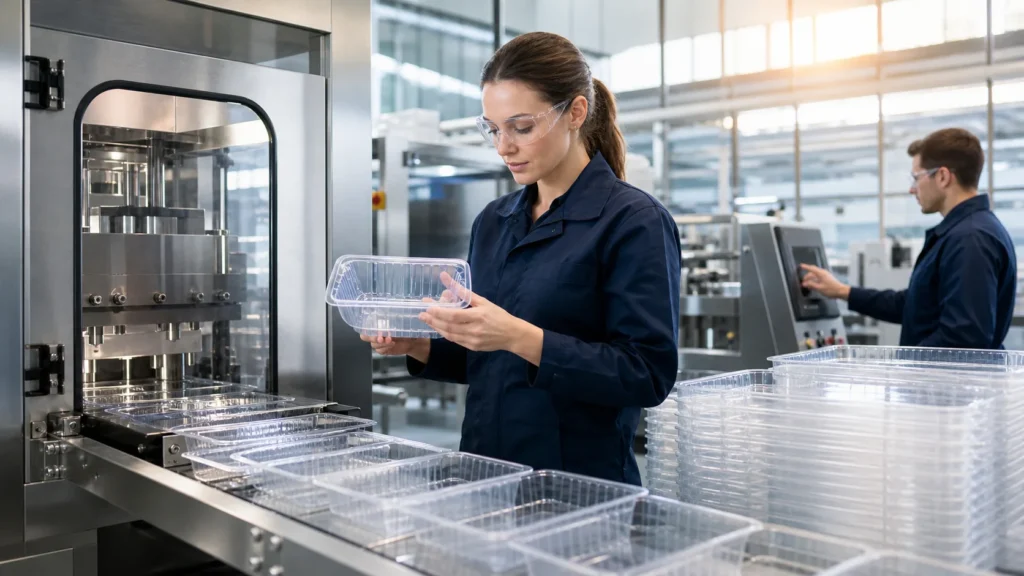

Thermoforming in Australia gives businesses a practical way to package products that need protection, clear presentation and a secure fit. By heating plastic sheet and shaping it around a mould, we can create packaging that suits the product rather than forcing the product into a standard box or bag.
For you, that can mean less product movement in transit, a cleaner retail display and packaging that is easier for customers to understand. Below, we explain the materials, applications and design choices that shape a successful thermoformed pack.
Protect Products and Build Better Shelf Appeal
Packaging has a big job to do. It needs to protect the product through storage and transport, while also helping it look organised and appealing once it reaches the shelf. Thermoformed trays, blisters, clamshells and inserts can be shaped around your product, creating a close fit that helps reduce movement and keeps items separated.
Because thermoformed plastic packaging is lightweight, it can suit products that need practical protection without bulky packaging. Clear materials can also place the product front and centre, which is especially useful when the product’s colour, shape or finish is part of its appeal.
We often help businesses consider packaging from both sides of the counter: what happens before sale, and what the customer sees at the point of purchase. A well-planned pack can support:
- Product protection during handling and transport
- Clear visibility for retail display
- Better organisation for multi-part products
- Food-safe packaging options where required
- A more polished customer experience
The right form is not only about looks. It should support the way your product is packed, stored, displayed and opened.
How Thermoforming in Australia Works
Thermoforming starts with a flat sheet of plastic. We heat the sheet until it becomes pliable, then form it over a mould. Once the plastic cools and holds its shape, it is trimmed and finished to create the final packaging component.
Vacuum forming and pressure forming both use this same basic idea, but they shape the plastic differently. In vacuum forming, air is removed from beneath the plastic sheet, pulling it down over the mould. This method can suit trays, inserts and packaging with straightforward shapes.
Pressure forming uses added air pressure to push the heated plastic more firmly against the mould. It can be a suitable choice where sharper edges, more surface detail or a stronger definition are needed. The best process depends on the product shape, required appearance and how the package will be used.
Working with a supplier experienced in thermoforming in Australia can make the process easier to manage. We can assess how the packaging needs to perform, refine the mould design and maintain close oversight from forming through to trimming. Local production also supports clearer communication when product details or packaging needs change.
Choose Materials for Performance and Presentation
Material choice affects far more than the look of the pack. It can influence clarity, strength, temperature tolerance, recyclability and the level of protection around the product. We consider the item itself, its environment and the presentation you want before recommending a material direction.
Common thermoforming materials include PET, recycled PET (rPET), PVC, polypropylene (PP) and high-impact polystyrene (HIPS). Each material has different characteristics. PET and rPET are often chosen when product visibility is important, while PP can suit packaging that needs to handle particular temperature conditions. HIPS may be considered where a more opaque finish or impact resistance is useful.
Food-grade plastic options are also available for products that require suitable packaging for food and confectionery use. The final choice should match the intended application rather than relying on a one-size-fits-all material.
When reviewing your options, we look at factors such as:
- Product visibility and shelf presentation
- Resistance to bumps, movement and handling
- Barrier needs for the packaged item
- Temperature and storage conditions
- Recycled content and recyclable material options
Sustainability can begin with using only the material needed to protect and present the product. A custom-fit design may help avoid oversized packaging, while recyclable materials and recycled content can be considered where suitable for the application.
Match Thermoformed Packaging to Your Industry
Different industries need different forms of protection. A delicate confectionery item may need individual cavities to keep pieces separated, while a hardware product may need a blister pack that holds small components in place. We shape thermoformed packaging around the needs of the product and the way it will be displayed or handled.
Food and confectionery businesses may use trays or inserts to organise products neatly. Pharmaceutical packaging can require clear organisation for components and product presentation. Hardware, cosmetics and consumer goods can benefit from blisters, clamshells and inserts that make products easy to view while helping reduce movement.
Custom packaging can also include practical features such as tamper-evident closures, separated cavities and hang tabs for retail display. These details can help you create a pack that works in warehouses, on shelves and in customers’ hands.
September is often a useful planning point for businesses preparing spring promotions and upcoming retail demand. For products intended for end-of-year campaigns or Christmas production schedules, allowing time for packaging development, samples and production planning can help keep the process orderly.
Design Packaging That Performs From Factory to Shelf
Good thermoformed packaging begins with accurate product information. Dimensions, weight, fragile areas and the number of items in each pack all affect the design. We also consider whether the pack will be stacked, nested, sealed, stored in changing conditions or displayed on a hook.
Small details can make a noticeable difference. Cavities can hold items in place, inserts can separate components, and ribs can add support to the formed shape. Hang tabs, closures and clear branding areas can also improve the way the package functions in retail settings.
Early design discussions help us identify possible production issues before the packaging reaches the manufacturing stage. For example, a shape that looks simple on paper may need adjustments to release cleanly from a mould or stack efficiently after forming. Prototypes give you an opportunity to assess fit, appearance and usability before proceeding with the final format.
By involving a thermoforming specialist early, you can make informed choices about material thickness, product access, sealing needs and the amount of plastic used. That practical planning helps the packaging work as intended from the packing line through to the shelf.
Partner Locally for Packaging Ready for Market
The strongest packaging outcomes come from matching the right material to the right form and design. Clear-Pak works with businesses that need custom vacuum- and pressure-formed trays, blisters, clamshells and plastic box inserts for products across a range of sectors. Local thermoforming support can provide direct communication, responsive production planning and design input that reflects Australian market needs.
Before approving a packaging design, confirm that it protects the product, suits its storage and display conditions, and gives customers a clear, practical experience. A considered thermoformed pack can carry your product safely while helping it look ready for market.
Turn Your Packaging Requirements Into A Practical Solution
Clear-Pak can help you select plastic packaging that suits your product, production needs and presentation goals. Browse our options for thermoforming in Australia to see how tailored designs can support your next project. For advice or a quote, contact us to discuss your requirements with our team.