News
Food Packaging Australia: Preventing Condensation in Fresh-Cut Fruit
October 20, 2026
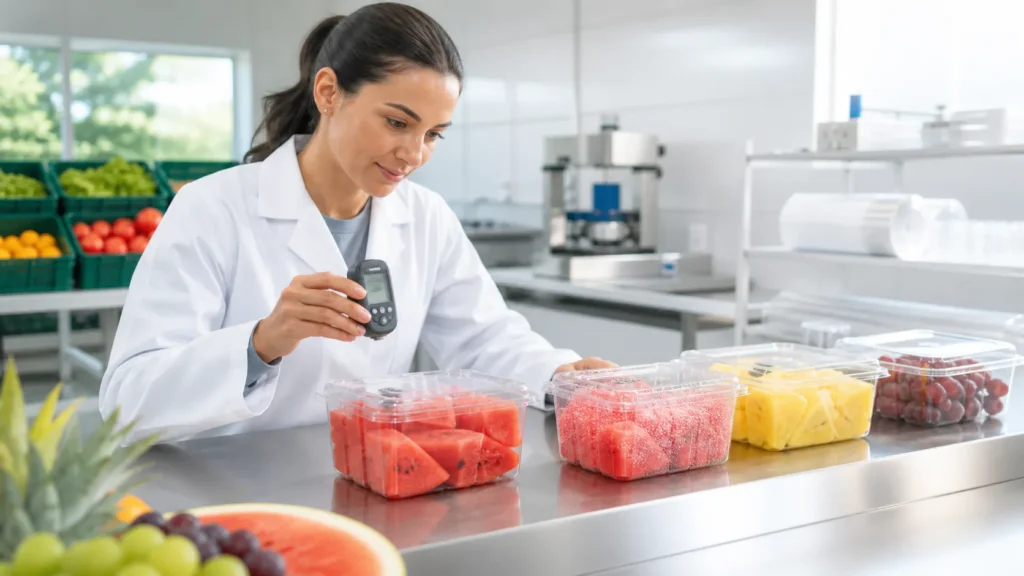

Stop Condensation Before It Steals Shelf Appeal
Fresh-cut fruit needs to look bright, clean and ready to eat from the moment a shopper sees it. When condensation clouds a clear pack, that first impression can disappear quickly. Fruit may still be handled correctly, but fogged lids and visible droplets can make cut melon, pineapple, berries, citrus and mixed-fruit portions look tired or poorly presented.
For processors preparing for warmer spring and summer conditions, moisture management deserves attention before products reach the shelf. Clear packaging is a powerful display tool, but it works best when the pack, product temperature and cold chain are working together. We help customers think through packaging features that protect fruit while keeping the product easy to see.
Fogged packs can lead to several commercial headaches:
- Reduced shelf appeal when shoppers cannot clearly see the fruit
- Retailer concerns about presentation, leakage or product quality
- Avoidable waste when fruit softens or the pack no longer looks saleable
- Lost sales opportunities when a competing product looks clearer and fresher
Well-designed thermoformed packaging can support the handling of moisture while protecting delicate cut fruit. A tray, lidded pack or clamshell needs to maintain its shape through chilled storage, transport and retail display, without allowing fruit pieces to shift, crush or sit in excess surface water.
Why Fresh-Cut Fruit Sweats Inside Its Pack
Cutting fruit changes it straight away. Once plant cells are damaged during slicing, dicing or peeling, the fruit releases moisture and its respiration increases. Water vapour can then build up inside the pack, especially when fruit moves through different temperatures between processing, cold storage, transport and retail refrigeration.
That vapour becomes visible condensation when it meets a cooler pack surface. Lids, trays and clamshell walls can collect droplets that block the view of the product. In Australia, warmer weather can put added pressure on refrigerated supply chains, making small temperature changes harder to manage.
Several factors often contribute to condensation:
- Fruit packed before it has cooled enough after processing
- Inconsistent refrigeration during storage, transport or display
- High humidity around the product or within the pack
- Free water remaining after washing and drying
- Ventilation that does not suit the fruit, pack format or shelf-life plan
Condensation is not only a visual issue. Excess moisture can soften cut surfaces and speed up quality changes. It may also create conditions that need close food-safety management. We see packaging as one part of the solution, not a replacement for validated sanitation practices, temperature control, drying steps and shelf-life procedures.
Choose Food Packaging in Australia for Humid Conditions
The right food packaging in Australia should suit more than the fruit itself. Processing methods, portion size, transport distance, retail refrigeration and the way consumers open the pack all matter. A chilled fruit portion in a supermarket cabinet may need a different design from a pack intended for convenience retail, foodservice or prepared-fruit delivery.
Custom thermoformed trays, clear clamshells and lidded packs give processors more control over how fruit is held and displayed. Rather than asking one standard format to do every job, we can shape packaging around the product’s handling needs.
A considered pack design can help you:
- Hold portions securely and reduce fruit movement
- Minimise crushing of soft berries and delicate mixed-fruit pieces
- Create consistent headspace above the fruit
- Support neat stacking during storage and retail display
- Present portion size, colour and freshness clearly
Material choice also matters. Clear, food-grade packaging lets shoppers inspect the fruit before purchase, which can build confidence in portion size and appearance. At the same time, material thickness, stiffness, clarity and recyclability considerations need to be balanced with the moisture performance your product requires. As an Australian manufacturer of custom clear plastic packaging, we work with processors to make those trade-offs practical for their pack format.
Balance Ventilation, Seals and Product Protection
Ventilation can help manage humidity by allowing moisture and gases to move in a controlled way. Still, more airflow is not always better. Too little ventilation may trap moisture inside the pack, while too much can contribute to dehydration and surface drying. The position, size and number of vents should match the fruit type, pack volume and intended distribution conditions.
Closure design needs the same level of care. Depending on the format, a processor may use a lidding film, hinged clamshell closure or tamper-evident feature. The closure must protect the fruit through handling and stacking, while supporting the intended shelf life and giving shoppers a simple, tidy opening experience.
Physical pack details can also reduce product damage and help manage free water. Raised tray bases may keep fruit above small amounts of collected moisture. Structured cavities can stop pieces from rolling together, while rigid sidewalls help prevent crushing. Inserts can separate fragile fruit portions where needed. Through our custom thermoforming capability, we can develop protective trays, blisters, clamshells, folding boxes and inserts around those real-world needs.
Validate Food Packaging in Australia Before Summer
A packaging trial should reflect the conditions your fruit will actually face, not only how the pack looks straight off the line. Before demand rises in warmer months, we recommend testing food packaging in Australia with the product at its normal filling temperature and through the same wash, drying, sealing and cold-chain stages used in regular production.
Useful testing checks include:
- Condensation levels and product visibility over the display period
- Seal performance and closure security after transport handling
- Stack strength in chilled storage and retail cabinets
- Fruit movement, bruising and surface damage inside the pack
- Ease of opening for retail staff and consumers
Input from production teams, retailers and consumers can reveal issues that are easy to miss during an early packaging trial. A pack may seal well but prove awkward to stack. It may look clear at packing but fog after transport. Those details are best found before a seasonal rush.
Packaging decisions should also align with applicable food-contact requirements, retailer specifications and your internal quality systems. We approach custom pack development as a shared process between the fruit processor, packaging manufacturer and food-safety team, because each group sees a different part of the product’s path to shelf.
Create Clearer Packs for the Summer Fruit Season
Condensation control starts with good processing and temperature management, then carries through to the pack itself. Reviewing trays, clamshells, lids and inserts before warmer conditions arrive can help you spot where moisture, movement or poor visibility may affect shelf presentation.
The practical goal is simple: keep fresh-cut fruit protected, visible and neatly presented from packing through to purchase. When ventilation, closure design, product support and cold-chain conditions are considered together, clear packaging can continue doing what it should, showing the fruit at its best.
Packaging That Supports Freshness And Presentation
Clear-Pak can help you select food packaging in Australia suited to the handling, display and protection needs of fresh-cut fruit. Our thermoformed packaging options are designed to support efficient packing operations while maintaining a clean, professional presentation. To discuss your product requirements with our team, contact us today.