News
POS Packaging Design: Shelf-Ready, Omnichannel Features That Drive Repeat Buys
September 15, 2026
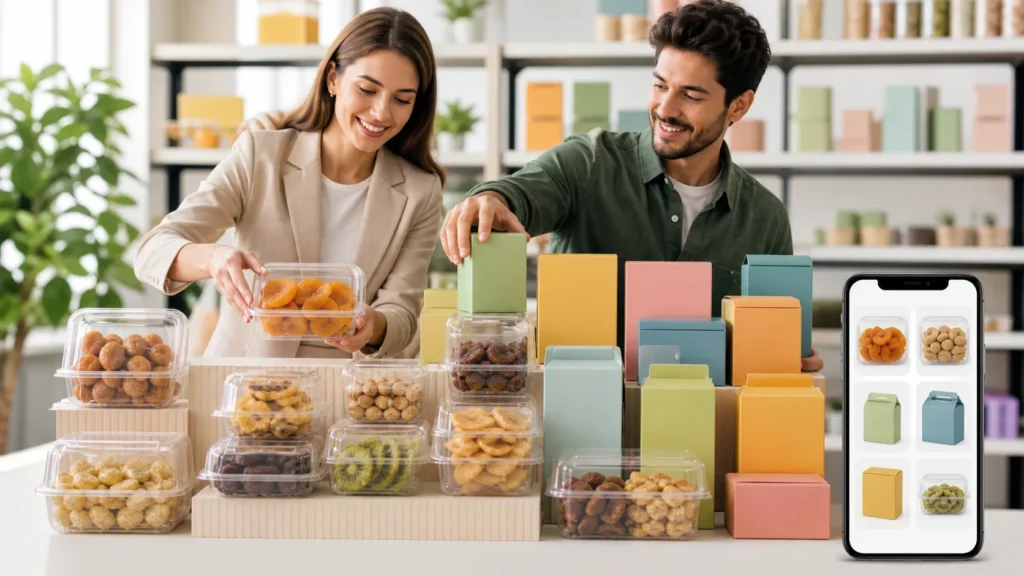

Turn Point of Sale Packaging Into a Profit Centre
Point of sale packaging is often treated as a line on a cost sheet. Cardboard outers, plastic trays, clear packs, all grouped under “must have” instead of “growth driver”. Yet on a crowded spring shelf in Australian retail, the way your product arrives, opens and presents itself can quietly decide who wins the basket.
We see it every day. Small details in shelf-ready packaging, the way a tray tears open, the speed at which staff can face up stock, and how clearly the product shows through clear plastic, all add up. Add in unboxing theatre, QR codes, and even simple AR tools, and packaging starts doing real work for you, from first glance to repeat purchase. Treating point of sale packaging as a profit centre means designing every layer to lift speed to shelf, visibility, engagement and loyalty, not just to survive the supply chain.
Missed Shelf-Ready Moments That Cost You Sales
Shelf-ready packaging, or SRP, should make life easier for store staff and clearer for shoppers. In Australian grocery, pharmacy and discount channels, strong SRP usually looks like:
- Fast-open trays with one clear motion to go from carton to shelf
- Intuitive perforations that do not shred, jam or rip the artwork
- Secure yet simple tear-aways that keep structure without hiding the product
- Barcodes that line up with scanners and planograms
- Clean brand blocking so your range feels like one strong block, not random singles
When these details are wrong, you pay for it in lost sales. Common issues include:
- Hard-to-open outers that need box cutters or two hands, so staff delay restocking
- Trays that collapse once opened, making products lean or fall over
- SRP walls that cover key branding, benefits or claims the shopper needs to see
- Product details printed on the wrong side or at the wrong angle
- Outer packs that fight with the inner retail pack design instead of framing it
All of this slows replenishment and hides product at key moments. Stock sits in the back room while shoppers see an empty shelf. On a busy spring weekend, that can mean missing out to the brand sitting one bay over. Poor structure also leads to damage in transit or on shelf, which can push staff to de-prioritise your line because it is harder work to keep tidy and saleable.
Designing Point of Sale Packaging for Omnichannel Shoppers
Shoppers move between screens and shelves without thinking. They scroll through reviews at home, then check size and feel in store. Or they spot something in a chemist, then search it later on a marketplace and add it to a click-and-collect order. Point of sale packaging has to support both journeys at once.
A few features help your pack work across channels:
- Consistent colours, logos and key claims between e-commerce images and shelf packs
- Scannable codes that take shoppers to richer content, not just a home page
- Clear structures that photograph well from front, side and top for online listings
- Packs that stack cleanly, so what people see online matches what arrives at home
Thermoformed and clear plastic packaging, such as blisters, clamshells, cylinders and folding cartons with windows, can be powerful here. Seeing the real product gives people confidence, whether they first meet it on a screen or in the aisle. Clear packs help reduce surprises, which can lower returns and complaints. They also let shoppers judge colour, size and finish on the spot, which supports both instant purchase and later online reorder.
Unboxing, QR Codes and AR That Spark Repeat Purchase
Unboxing is no longer just a video trend. Shoppers often do a mini version of it right in the aisle. They turn the pack, look through windows, and picture how it will open at home. If the product sits neatly inside a clear pack, if there are smart internal trays, if the opening looks simple and safe, it quietly signals quality.
Smart unboxing details include:
- Transparent windows or clear rPET shells that show real product features
- Internal thermoformed trays that hold everything in place, so it still looks tidy after transport
- Frustration-free opening with clear cues about where to pull, cut or peel
- Minimal loose bits or messy tape that suggests hassle
On top of this, QR and light AR tools can live on point of sale packaging without turning it into a cluttered billboard. For example:
- QR codes leading to short how-to videos that show setup and first use
- Quick access to ingredients, materials or sustainability stories for people who care
- Links to warranty registration, refill reminders or loyalty programs
- AR experiences that show the product in 3D, colour options or simple “try-on” views
When first-time buyers feel supported after purchase, they are more likely to use the product correctly, get the best result and feel happy about the choice they made. That builds trust. Trust leads to repeat purchase, word-of-mouth and more people scanning those codes the next time they see your brand.
Faster Replenishment, Less Damage, More Turns
Point of sale packaging also has a very practical job: helping store teams move stock from pallet to shelf with as little effort and damage as possible. When this runs smoothly, you get more product in front of shoppers more often, especially in the lead-up to peak retail periods.
Well-designed packs help by:
- Allowing quick shelf restocks, with outers that flip into display trays in seconds
- Protecting products with thermoformed trays that absorb bumps while keeping weight low
- Showing clear labelling, orientation arrows and unit counts on all sides of cartons
- Supporting easy stock rotation with visible use by or batch codes
Structural choices matter. Outer packs that convert cleanly into display trays keep shelves neat and aligned, which makes brand blocks easier to spot from the aisle. Stable trays stop units toppling when a shopper picks from the back. Strong but light clear plastics and rPET help protect fragile or premium goods without hiding them.
The commercial upside is simple. Better point of sale packaging supports:
- Higher on-shelf availability and fewer empty spots
- Cleaner brand blocks that stand out on busy gondolas
- Fewer damaged units and write-offs
- Faster turns across large chains and independents alike
Turn Your Next Packaging Brief Into a Retail Win
Many brands treat a packaging refresh as an artwork exercise. Change the colours, update the logo, send new files, job done. That is a missed chance. The next time your team reviews packs, it is worth asking how your point of sale packaging could work harder on shelf and online.
A good starting point is to:
- Audit current SRP performance with store staff and merchandisers
- Note where replenishment is slow or shelves are often messy
- Identify which products suffer most from hidden, damaged or hard-to-shop packs
- Test simple upgrades, like clearer codes, better perforations or improved windows
From there, a longer-term roadmap for thermoformed and clear pack innovation can line up with your brand goals. This might include new clear rPET solutions that show more of the product, smarter trays that lock items in place, or outer cartons that transform into display units more cleanly. As a specialist in custom clear plastic and thermoformed packaging for Australian retail brands, we focus on designs that protect, present and support the full shopper path, so point of sale packaging becomes a quiet but steady driver of repeat purchase.
Get Started With Your Project Today
If you are weighing up your options for point of sale packaging, we can help you choose a solution that fits your brand, budget and timelines. At Clear-Pak SEO, we work closely with you to understand your product, retail environment and print requirements so your packaging does the job from day one. Share a few details about your project through our contact page and we will come back to you with clear next steps and practical recommendations.