News
Understanding the Assembly of Clear Lid and Base Boxes
April 19, 2026
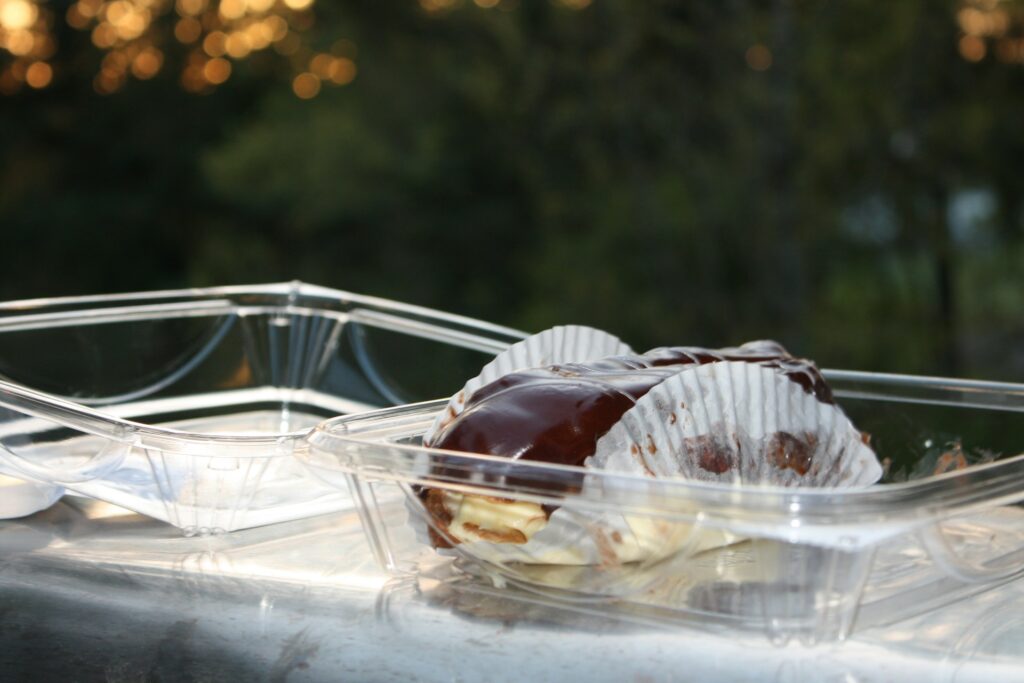

Clear lid and base boxes are one of the simplest ways to package and display a wide range of products. The top and bottom components fit neatly together, making them easy to assemble while still looking clean and professional. That balance of function and presentation has made them a common choice for businesses in food, pharmaceutical, and consumer goods across Australia.
We often use clear lid and base boxes when items need to be visible but still protected during handling, shipping, or retail display. They provide a structured way to hold products in place without hiding key details buyers want to see. Whether on a warehouse shelf or in a retail setting, this type of packaging helps with both practical storing and better shelf appeal.
What Are Clear Lid and Base Boxes?
These boxes come in two separate parts, a fitted base that holds the item and a transparent lid that covers it. The lid usually locks into place or lightly grips the base, keeping everything secure. Together, they form a snug, stackable unit.
We typically work with plastic materials like PET, PVC, or RPET to shape these containers. Each one has its own strengths:
- PET is known for its clarity and strength, making it great for visual displays.
- PVC has good sealing properties and is versatile during forming.
- RPET offers sustainability benefits by using recycled content while keeping performance.
Clear lid and base boxes are often used in situations where hygiene, visibility, and lightweight structure matter. This includes applications like chocolates, supplement packs, cosmetics, or lab equipment. Because they are see-through, they can reduce the need for extra labels or graphics too.
Step-by-Step Assembly Process
Putting the two parts of these boxes together is usually straightforward. In manual workflows, we position the item in the base, then carefully place the lid over the top. Some lids snap into place while others gently slide on. Automated lines may use guides or air pressure to help align the pieces more quickly.
Here are some helpful design elements that support assembly:
- Tabs or flanges that align the lid easily with the base.
- Folded edges that maintain the box’s shape and strength.
- Die-cut windows or vents that reduce vacuum resistance during capping.
We aim for both speed and accuracy when assembling these boxes. The goal is to create a tight fit that keeps the product still, without making it hard to unpack later. Alignment matters, especially for items that rely on clean lines or tamper-checking before use.
Benefits of Using Separate Lids and Bases
One of the biggest advantages of this design is stacking. The flat edges and parallel walls make these boxes easy to pile or shelve, which saves space during transport and storage. This is especially helpful for suppliers sending products across longer distances.
Here are other advantages businesses often appreciate:
- A tidy, professional appearance without extra sleeves or cartons.
- Clear lids improve visual merchandising and let customers see inside.
- Split parts allow more flexibility with branding, as the base and lid can carry different details or colours.
- Easy to add tamper-evident tapes or seals without changing the structure.
These boxes also let us pack items tightly while still giving each one its own compartment. That can be helpful in kits, sets, or assortments that need to stay organised from warehouse to checkout.
Key Considerations When Choosing Packaging Designs
Matching the right packaging to your product starts with a few simple checks. We often ask these questions to guide the process:
- What is the product’s shape? Will it need contouring or extra padding inside the base?
- How far and under what conditions will it travel? Does it need to hold up in heat or humidity?
- Will the packaging be displayed or stacked at the destination? Do some features help it fit better on shelves?
Another key factor is sustainability. Many buyers ask about recyclable options or request packaging made with recycled materials. We work with RPET for this reason, along with options that meet food-grade or pharmaceutical standards when cleanliness matters.
How Packaging Design Affects Your Supply Chain
From the production line to the point of sale, packaging choices affect everything. Clear lid and base boxes can help reduce damage in transit by holding products securely, but they also make products easier to scan and shelve once they arrive at their destination.
Well-designed boxes can support your supply chain by:
- Reducing the amount of padding or extra cartons needed during transport.
- Speeding up visual checks during pick-and-pack operations.
- Giving buyers a better look at the product without needing to open anything.
Here in Australia, one extra element is climate. In warmer months, warehouse temperatures can rise quickly, especially in regions without cooling systems. We work with materials that resist warping or softening, so packaging stays consistent even if conditions shift seasonally.
Keep Packaging Practical and Product-Ready
Clear lid and base boxes are simple in structure but powerful in how they protect and present products. They keep things clean, visible, and stable. That makes them a practical choice for many industries where both hygiene and display matter.
By thinking through material needs, transport plans, and how the final product sits on shelves, this style of packaging can support a smooth process from packing to delivery. It is one of those small choices that can have a big effect across the whole distribution system.
Looking for dependable plastic packaging that offers clear separation between product and cover? Our clear lid and base boxes are a smart, stackable solution designed for a range of applications. Whether you are packaging food, pharmaceuticals, or consumer goods across Australia, our containers maintain a sharp presentation and simplify assembly. Their transparency enhances shelf appeal without requiring extra labels. At Clear-Pak, we make sure our packaging works just as hard as your products do. Contact us today to discuss your packaging needs.