News
How to Measure POS Packaging Performance: A/B Testing and Sell-Through Lift
August 2, 2026
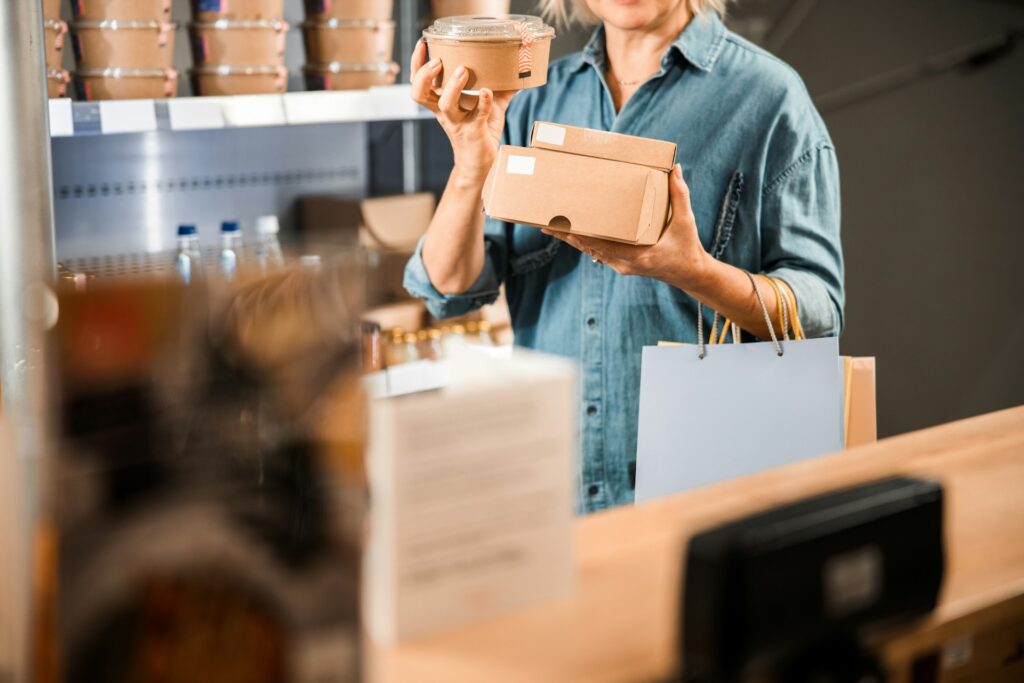

Point-of-sale packaging should pull its weight. If your packs sit at the shelf edge in Coles, Woolworths or independent stores, they are working as mini billboards at the very moment a shopper decides what to buy. When you treat point-of-sale packaging as a sales tool, not just a cost, you can lift visibility, grow unit sales and support key events like Father’s Day, back to school and Christmas.
The trouble is that many packs are changed on gut feel. A retailer says the shelf looks cluttered, a manager wants a “premium” look, or someone in a meeting prefers blue over red. The range gets a fresh look, but no one really knows if the new packs perform better. In this article we share a simple way to measure performance, using A/B testing, sell-through lift and in-store shopper insights, so you can de-risk changes and build a repeatable packaging playbook.
Turn POS Packaging Into a Measurable Sales Asset
Point-of-sale packaging is one of the few marketing tools that every shopper sees when your product is in stock. For Australian consumer brands, this is especially powerful around big retail moments like Father’s Day, spring launches and Christmas gifting.
Yet many brands:
- Redesign packs based on opinions, not data
- Respond to retailer pressure without clear goals
- Launch new packs across every store at once, then struggle to know what worked
Instead, we can treat every packaging change as a test. By planning simple trials before a full rollout, we can:
- See if new packs actually sell more per store per week
- Protect ourselves from costly mistakes at scale
- Build evidence to support future retailer negotiations
The good news is you do not need complex systems. A clear test plan, basic sales data and structured observation in-store are often enough to turn point-of-sale packaging into a measurable sales asset.
Set Clear Objectives for Your POS Packaging Tests
Before we change the shape of a blister or switch to a new clear carton, we should be very clear on what we want the new pack to do. Different objectives will lead to different test designs.
Common packaging goals include:
- Lift unit sales or rate of sale
- Grow basket size by encouraging multi-buy
- Improve shelf compliance so packs stay front facing
- Boost trial of a new variant or limited offer
We should also think about retailer KPIs. If our test can show better results on:
- Rate of sale per store
- On-shelf availability and stock rotation
- Scan accuracy at checkout
then category managers are more likely to support range extensions, secondary placements or expanded space.
To make any test meaningful, we need a baseline. That usually means pulling:
- Current weekly sales per store
- Distribution and store count
- Shelf position and facings
- Promo calendar, including discounts and catalogue features
With this baseline locked in, we can compare the new pack against how the old one actually performed, instead of relying on opinions.
Design Smart A/B Tests for Retail-Ready Packaging
Once objectives and baseline are clear, we can plan the A/B test. For Australian retail, a few simple structures tend to work best.
Common approaches include:
- Matched store tests: run the old pack in one set of similar stores and the new pack in another set, at the same time
- Regional rollouts: keep the old pack in some states and trial the new pack in others
- Split planogram trials: work with a retailer so some bays use the new packaging layout and others keep the old one
No matter the structure, we should keep everything except the pack itself identical:
- Same price and deal depth
- Same promo support and catalogue timing
- Same shelf position, facings and POS materials
That way, when we see a difference in sales, we can be confident it is mostly due to the packaging.
Timing also matters. Short tests can be noisy, so we usually aim for at least four to eight weeks. It helps to avoid major events that are not part of the plan, unless the goal is specifically to test a Father’s Day or Christmas pack. For measurement, we can draw on EPOS data, scan data partners or retailer reports, making sure we pull the same measures for both test and control stores.
Measure Sell-Through Lift and True Incremental Gains
Once the test has run, we want to know if the new pack actually sells better. A simple way to think about this is sell-through lift, which is the percentage increase in units sold per store per week, compared to the baseline or control.
A clear view of sell-through should answer:
- Did units per store go up, stay flat or fall?
- Did the new pack sell faster without extra discount?
- Did we clear more stock without extra waste?
We also need to watch for cannibalisation. If your new pack for one variant sells more, but another flavour or size falls, then the range might not be growing in total. Retailers tend to care about category growth, not just internal shifts, so it helps to compare your results with:
- Category averages in the same period
- Similar products on the same shelf
- Any new competitors or pack launches nearby
External factors can blur the picture. Seasonal spikes, local weather, special events or price changes all affect sales. We should note any major change in promo, competitor activity or price so we do not give packaging credit for something else.
Capture Real in-Store Shopper Behaviour and Feedback
Numbers tell us what happened. Shopper research helps us understand why. Both are useful when we are deciding how much transparency, structure or colour blocking we need in a pack.
Some simple, low-cost methods include:
- Quietly observing the aisle to see where eyes go first
- Watching which packs shoppers pick up, turn over, then put back
- Timing how long people pause in front of your section
We can add more structured tools, such as:
- Short exit interviews outside stores
- QR code surveys printed on POS or on-pack inserts
- Projects with shopper research agencies in key banners
These insights can guide practical packaging decisions, like:
- How large or small a clear window should be
- When a rigid clamshell, blister or tray helps items feel more premium or secure
- Which on-pack claims or icons are most noticed at a quick glance
When we combine qualitative feedback with EPOS data, we can refine both structure and graphics for stronger stand-out.
Turn Test Results Into a Repeatable Packaging Playbook
The real value comes when we treat every test as a building block, not a one-off. After each packaging trial, we can document:
- Objectives and success measures
- Test design and store lists
- Before and after sales data
- Shopper insights and any store feedback
- Clear do and do not rules for future briefs
Over time this becomes a packaging playbook that brand, trade and design teams can share. It might include guidelines on window size, use of colour, how much space to give to branding versus claims, and preferred structures like blisters, clamshells, trays, cylinders or cartons for different product types.
Many brands find it helpful to build an annual packaging test calendar around big Australian retail moments such as Back to School, end of financial year activity, Father’s Day, spring launches and Christmas. This rhythm keeps packaging fresh, but always anchored in real performance.
At Clear-Pak SEO, we design and manufacture custom clear plastic packaging across blisters, clamshells, trays, cylinders and cartons, using RPET materials to protect products while keeping them visible on shelf. Working from here in Australia, we understand both structural packaging performance and in-store realities, which means we can support brands to plan tests, refine formats and scale winning designs across channels in a structured, low-risk way.
Get Started With Your Project Today
If you are ready to improve how your products present and perform at retail, we can help you choose the right point-of-sale packaging for your range. At Clear-Pak SEO, we work with you to align packaging design, materials and print with your brand and budget. Tell us about your products and timelines, and we will recommend practical options and next steps. To discuss your requirements or request a quote, simply contact us.