News
Guide to Comparing Sustainable and Traditional Clear Packaging
June 28, 2026
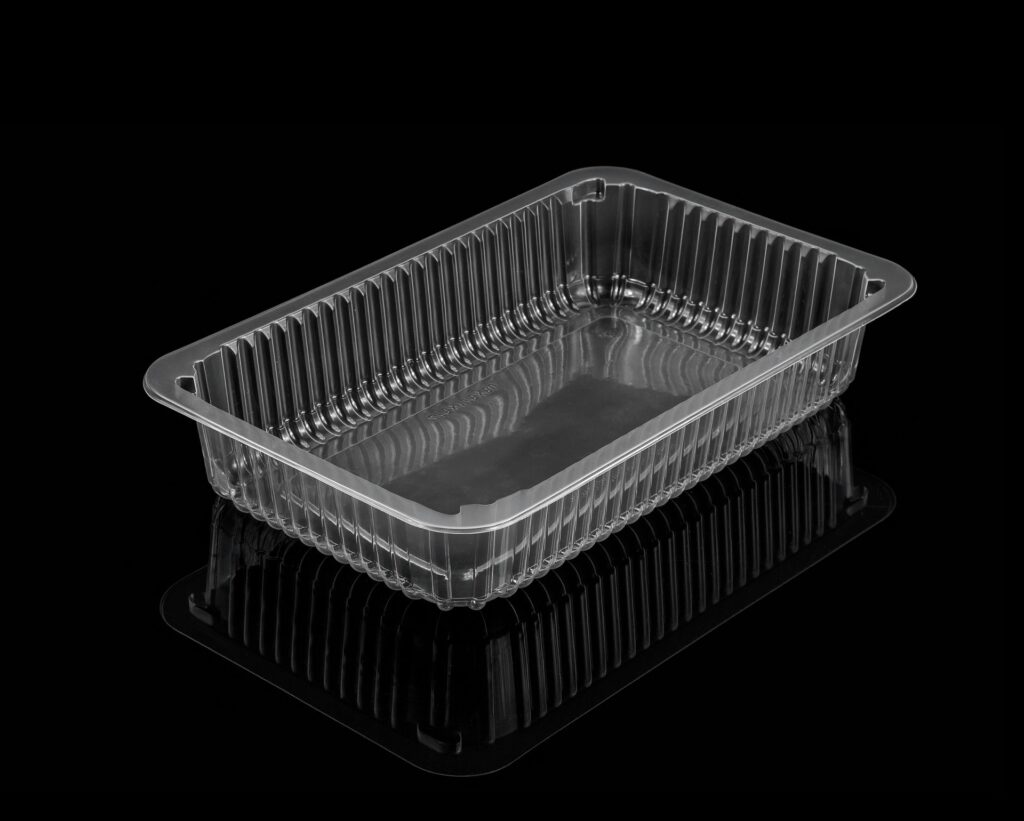

Clear packaging plays a big role in how products are seen, sold, and stored. From wrapped confectionery to carefully packed pharmaceutical goods, seeing the product clearly builds trust with shoppers and helps brands stand out on the shelf. In Australia, where product quality and reliable presentation carry weight, transparent packaging continues to be a strong option across many industries. From our Hallam, Victoria, facility, we vacuum and pressure form PET and recycled PET into trays, blisters, clamshells, and custom inserts for food, confectionery, pharmaceutical, and consumer goods across Australia.
But as environmental concerns grow and more businesses shift toward greener practices, the conversation around traditional versus more sustainable clear packaging is growing louder. Choosing between the tried-and-true and the newer eco-friendly alternatives is not a simple yes or no. It depends on structure, materials, end-of-life options, and how each option performs in real-world conditions.
What Makes Traditional Clear Packaging Work
Traditional forms of clear packaging have been used for decades in everything from retail displays to pharmaceutical trays. These formats often use PET (polyethylene terephthalate), PVC (polyvinyl chloride), or other vacuum-formed plastics. They are reliable, lightweight, and can be shaped to suit almost any product type.
The benefits of traditional clear packaging tend to revolve around three things:
- High visibility of the product
- Long lifespan and strong structure
- Affordability in high-volume runs
This kind of packaging is especially common in food products, cosmetics, healthcare supplies, and seasonal gift sets. Being formable and easy to seal makes it a popular choice for products that need protection while still allowing the customer to see what they are buying. But while it performs well on the shelf and in transit, its materials do not always align with current recycling standards.
Understanding Sustainable Clear Packaging Materials
Sustainable clear packaging shares many of the roles of traditional plastic solutions, but uses innovation in materials to reduce waste. These newer formats focus on sourcing renewable inputs or making breaks in the single-use cycle. Instead of using oil-based plastics, producers turn to alternatives like rPET (recycled PET), PLA (polylactic acid), or starch-based bioplastics.
Each option comes with its own mix of pros and limitations. For example:
- rPET provides a similar look and feel to virgin plastics but comes from recycled sources
- PLA is plant-based and compostable in the right facilities, but breaks down slowly in nature
- Cylindrical tubes and flat folding cartons made from sustainable PET can still offer full visibility while being easier to recycle
The packaging format used can either help or hinder environmental targets. Choosing a format that complements the sustainable material makes a difference in both performance and recyclability. Our clear plastic packaging can be produced using PET or recycled PET/GAG that includes at least 50 percent post-consumer content, with all materials 100 percent recyclable and approved for direct contact with food and pharmaceutical products.
Comparing Performance: Protection, Shelf Appeal, and Storage
No matter how green a material is, it still needs to handle the job. Traditional plastics tend to hold up better against pressure, humidity, and longer shelf lives. They are known for resisting damage during shipping and forming snug, tamper-resistant moulds.
Sustainable versions can perform just as well with the right design, though careful material selection is key. For example:
- PLA can crack under stress or at low temperatures, making it better for short-term or seasonal items
- Recycled PET holds up well and offers clarity similar to traditional PET
- Bioplastics often need more support in the manufacturing process to avoid warping
In terms of shelf appeal, both types can be clear and glossy, catching the eye and showing off the product inside. The main trick lies in storage and stacking. Manufacturers and retailers often need packaging that stacks evenly and will not lose shape when moved or stored over time. Here, traditional options still have a slight edge in terms of consistency.
Environmental Impact and Disposal Considerations
One of the biggest factors in this comparison is what happens when the packaging is no longer needed. Traditional plastic containers often end up in landfill, especially when labels or food residue make them hard to recycle. In many parts of Australia, not all councils accept soft or black plastics, which adds to disposal issues.
Sustainable clear packaging changes that picture, but only when the supply chain can support it. There are a few factors at play:
- Some materials, like PLA, need industrial composting to break down properly
- Not all recycling centres are equipped to handle mixed materials
- Recycled content reduces the use of virgin plastic but still faces sorting and contamination challenges
Businesses that want to go greener may run into issues with local recycling rules. It helps to match packaging to what local systems can manage, especially in states with strict waste separation laws.
Factors to Weigh When Choosing a Clear Packaging Style
Picking the right clear packaging for products is not only about looks. Different branches of retail and industrial supply value different things. A small run of handmade goods may need something compostable, while a national brand may prioritise recyclable options that above all travel well.
When choosing a packaging style, start with the following points:
- Type and weight of the product
- Desired shelf life and exposure to heat or cold
- Expectations around branding, transparency, and presentation
- How the item will be transported and stored
Traditional options may still work best for medical goods, gift packs with complicated shapes, or international freight. Sustainable materials may be a better match for food containers used close to home, especially when composting or recycling is more accessible.
Making Clear Packaging Work Better for Your Business
Getting packaging right is about more than just the outer shell. It is about protecting the product, matching it with your organisation’s values, and thinking ahead to how your customers will open, use, and discard it.
Both traditional and sustainable clear packaging have a place depending on your goals. From retail-ready gift items to protective medicine trays, the format and material you choose affect cost, waste, storage, and brand trust.
When your packaging fits your product and your priorities, it is easier to meet both functional and environmental targets. The good news is that clear options exist on both sides, letting you find solutions that balance visibility with responsibility.
Balancing presentation with environmental responsibility requires a careful review of packaging options, and at Clear-Pak we offer designs that range from recyclable choices to durable formats for transport across Australia. Whether you are reassessing your packaging strategy or planning new products, choosing the right materials makes all the difference. Explore our clear packaging solutions and contact us to discuss your requirements.